
Chapters
University chapters run the program on each campus. Gateway trains their officers and holds every chapter to one national standard.
The Chapter Model
National Organization
Curriculum, officer training, coaching, funds and specialist review. Shared records carry each chapter’s findings forward.
Co-Directors and Officers
Two co-directors lead a ten-officer team that recruits and teaches members, organizes projects and hosts public convenings.
Members
Students from any discipline. Members study together, pitch projects and build them in teams.
Advisors, Mentors and Recipients
An active faculty advisor, mentors with an agreed scope, and recipient organizations that define each need.
Three Areas of Study in Every Chapter
Advanced AI may change how we earn a wage and how we govern ourselves, and it may push past what we understand.
The possible outcomes run from large gains in health, security and freedom to severe disruption and failures that can't be undone. Guiding this transition well is a responsibility our generation carries.
AI in Everyday Life
Understand how AI already touches daily life, from misinformation and manipulation to discrimination and privacy.
What Members Study
Members compare the evidence, the consequences and the alternatives, then test responses through public engagement and practical projects.
Example Projects
- Learning resources on privacy and discrimination
- A review of the risks in a proposed community service
- A briefing on AI use, requested by a local organization
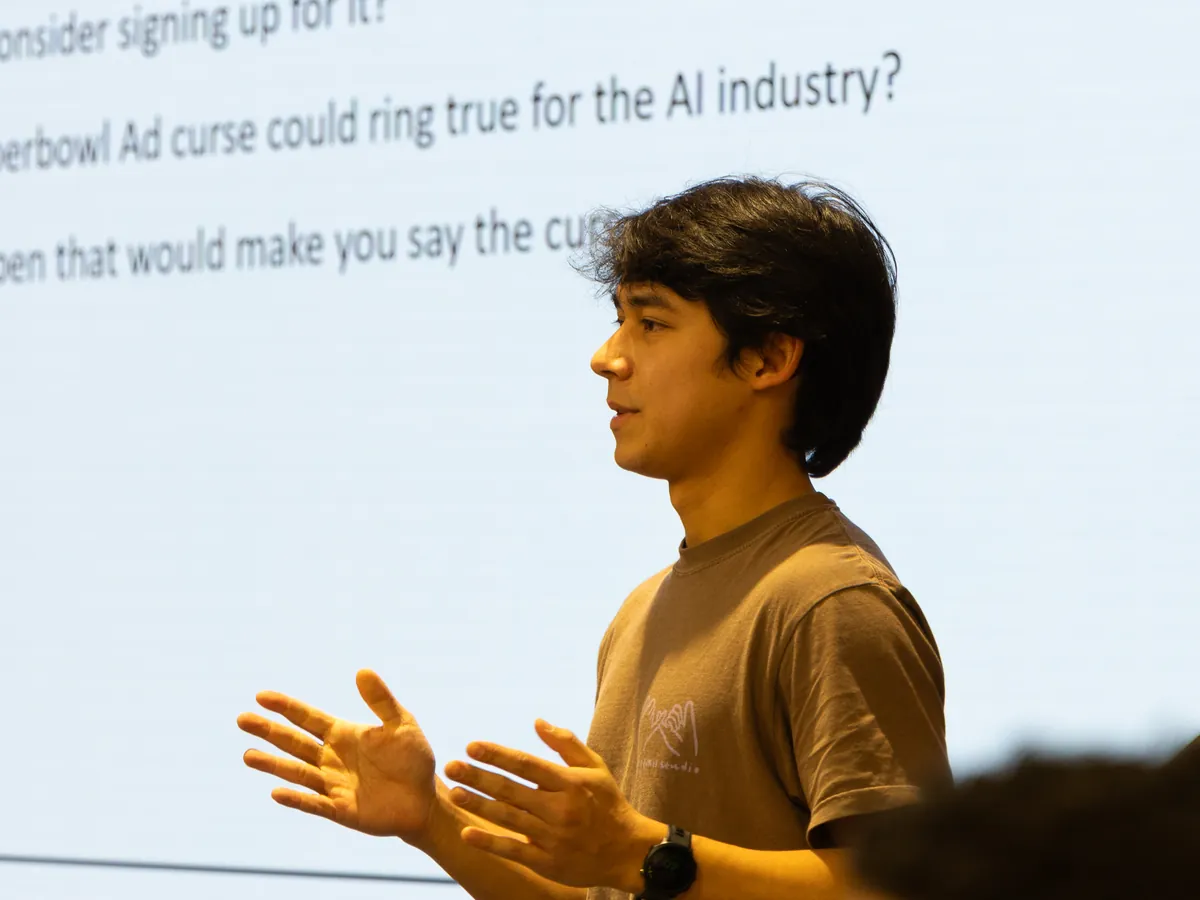
Safety of Advanced Systems
Prepare for increasingly advanced AI, and the coordination needed to protect human agency and reduce risks, including catastrophic and existential risks.
What Members Study
Members study severe risks, including the loss of human control, weigh the evidence behind competing scenarios, and revise their assumptions as results come in.
Example Projects
- Learning resources on AI safety
- Research and philosophical projects on more advanced systems
- Public forums with researchers, industry and local communities
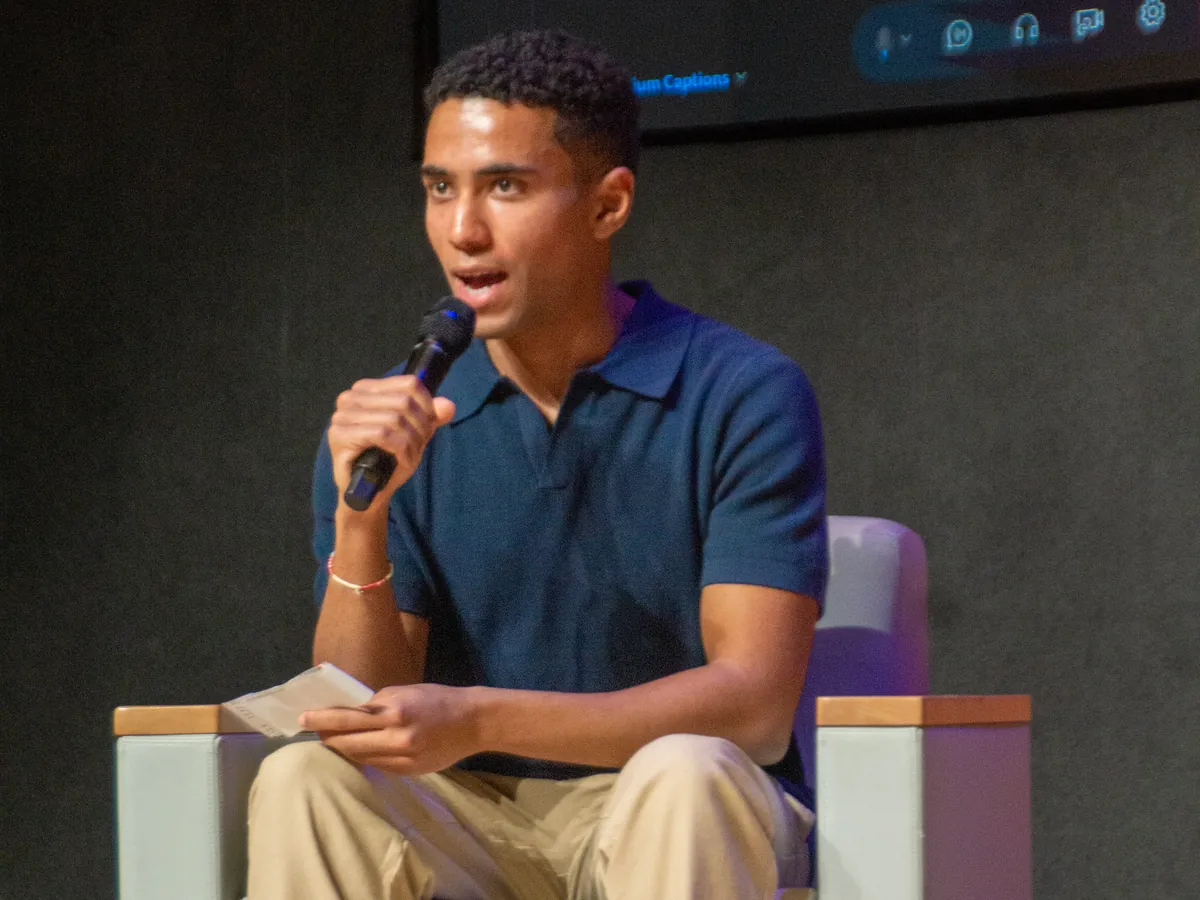
Beneficial Applications
Develop and test constructive uses of technology in education, health, public services and civic life.
What Members Study
Each project starts from an identified recipient’s need, and the recipient accepts or declines every output. Using AI is optional.
Example Projects
- Better access to public-health information
- Ethical evaluations of institutional AI use
- Technology built for public benefit
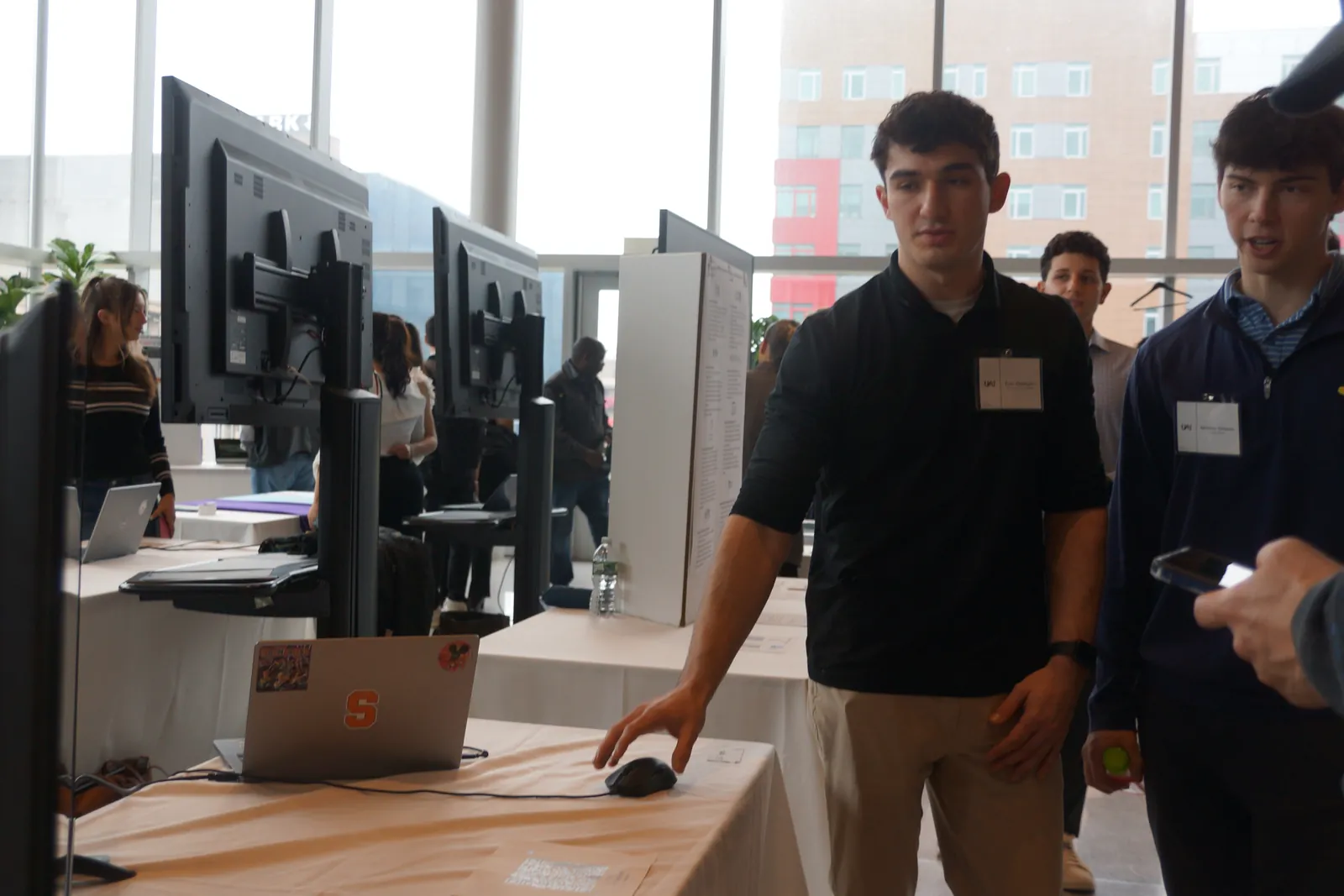
The Member Experience
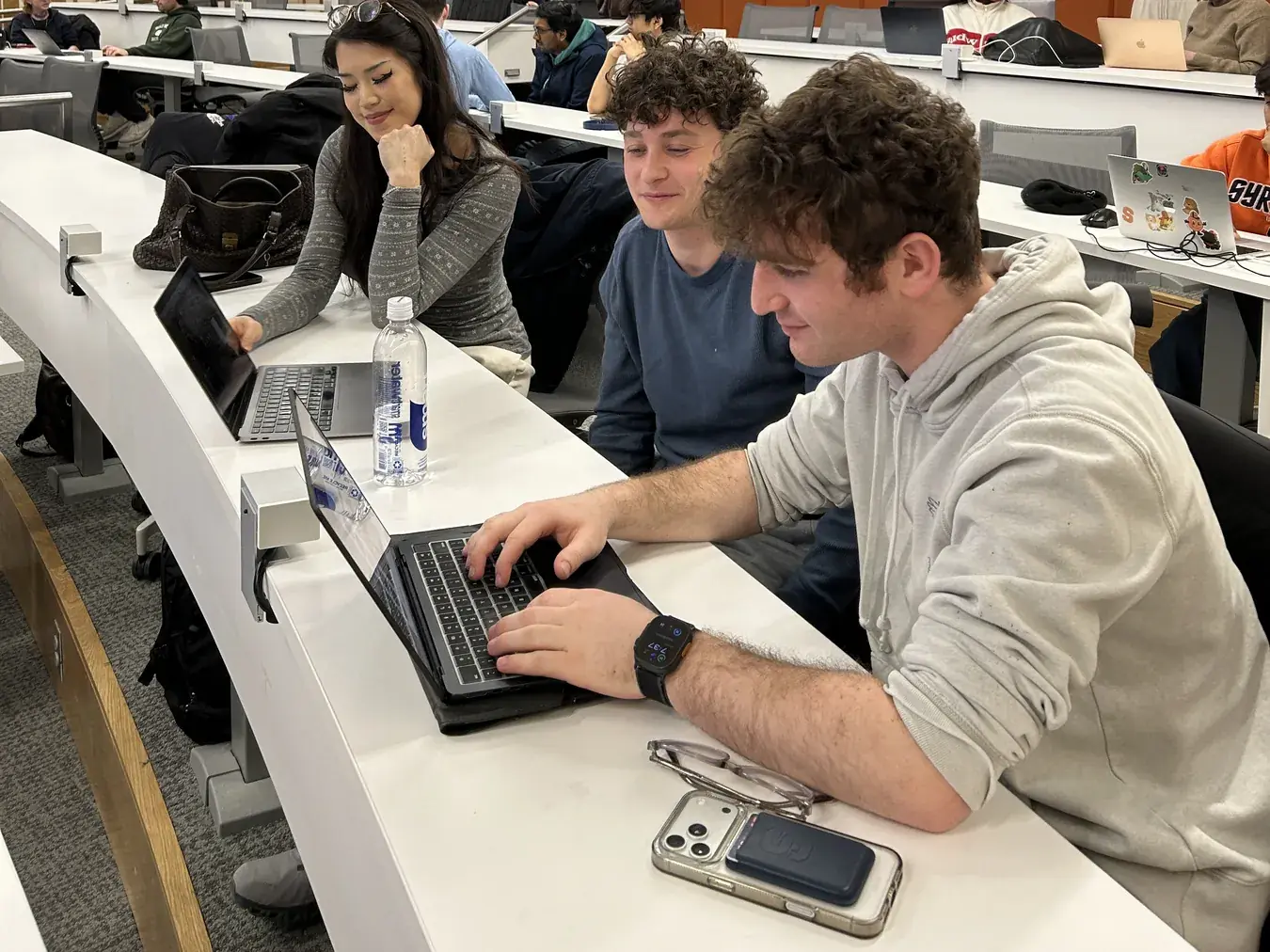
New members begin with four introductory sessions on the three areas of study, then an assessment of understanding and reasoning, with room for disagreement.
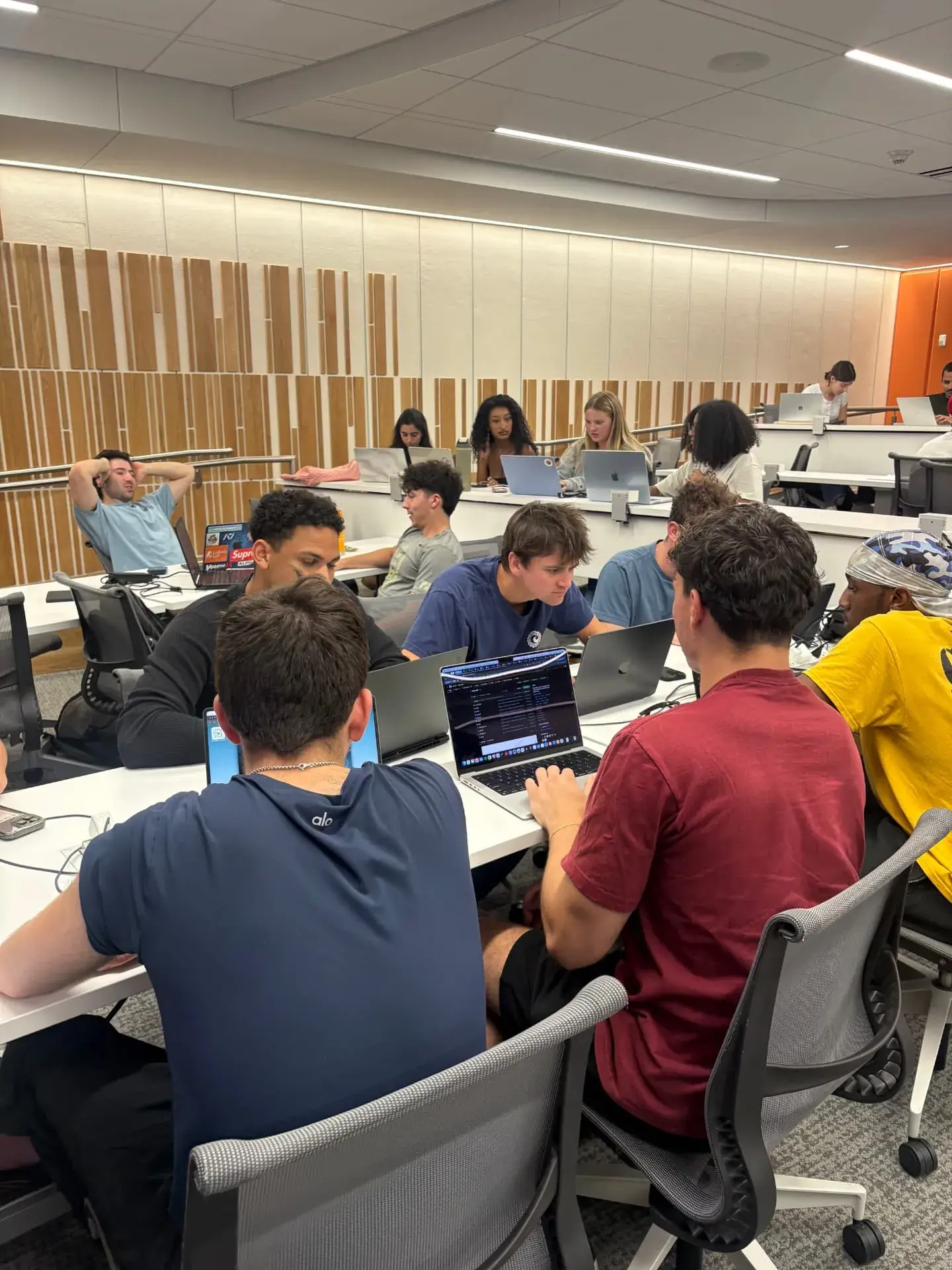
In project weeks, members spend five to ten hours: a chapter meeting, preparation and time with their team. Chapters also host public convenings with researchers, industry and local communities.
Every member pitches a proposal after the introductory sessions. Pitching is a rite of passage. A selection committee chooses which proposals advance, then members form teams of two to four around the selected projects.
Members can continue a project, publish its findings or hand it to a named operator. Chapter records make completed work available to later teams.
The Project Cycle
A project cycle lasts three to six weeks. Every project starts from an identified need and ends with a recipient’s decision. Technical, civic, research, educational, philosophical and artistic projects all qualify.
- 01
Need
A team confirms a need with its intended recipient, along with the permissions the project requires.
- 02
Pitch
Every member pitches. A selection committee chooses proposals, then members form teams of two to four around the selected projects.
- 03
Build
Teams build and test the output, then revise against the recipient’s need.
- 04
Critique
Officers critique every project. Outside specialists review when the risks exceed the chapter’s expertise.
- 05
Demonstrate
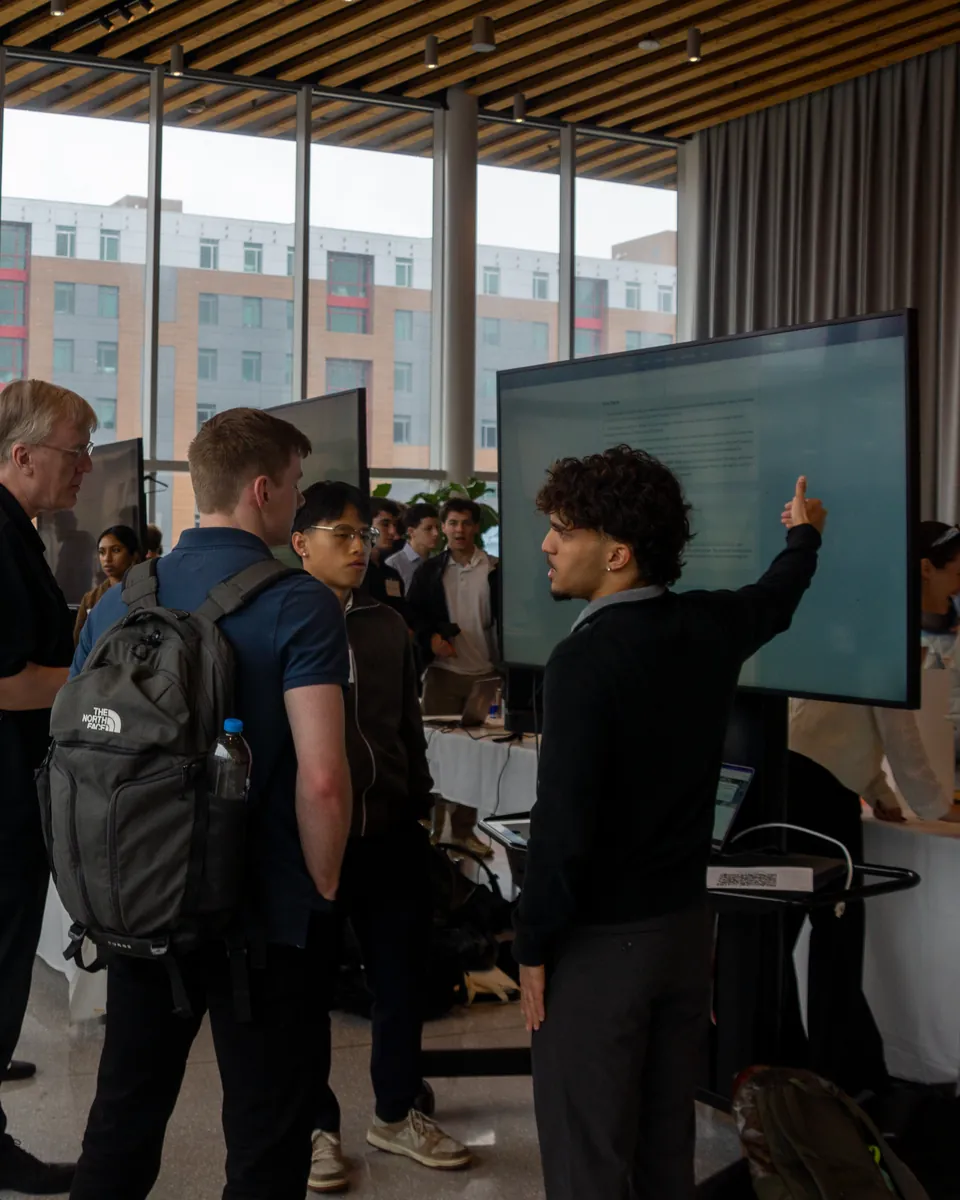
Each team presents its result, and the recipient accepts or declines the output.
- 06
Hand Over
Teams continue, publish, shelve or close the project, with a named operator and an endpoint before anything continues.
Committed Chapter Support
National preparation and direct chapter funding are commitments of the founding program.
Direct Chapter Funding
Each chapter receives $5,000 per semester for three semesters, totaling $15,000 for meetings, public events, member projects, and continuation awards.
National Training and Coaching
Officers use a shared curriculum and facilitator preparation, with a 30-minute national coaching call every week.
Project Resources
Each semester allocates $2,000 to project development grants, with up to $200 per team, and $2,250 to continuation awards.
Review and Continuity
National records, mentorship, specialist review, and successor preparation carry lessons across campuses and graduating classes.
Join or Found a Chapter
Join a Chapter
Syracuse University is the founding chapter, with new campuses planned for spring 2027.
Contact Us About JoiningFound a Chapter
Two founding ambassadors recruit eight additional officers, forming a ten-officer team, and charter once 24 or more members join.
Found a Chapter
Found a Chapter
Two founding ambassadors recruit eight additional officers, forming a ten-officer team, and charter once 24 or more members join. A national contact coaches them every week.